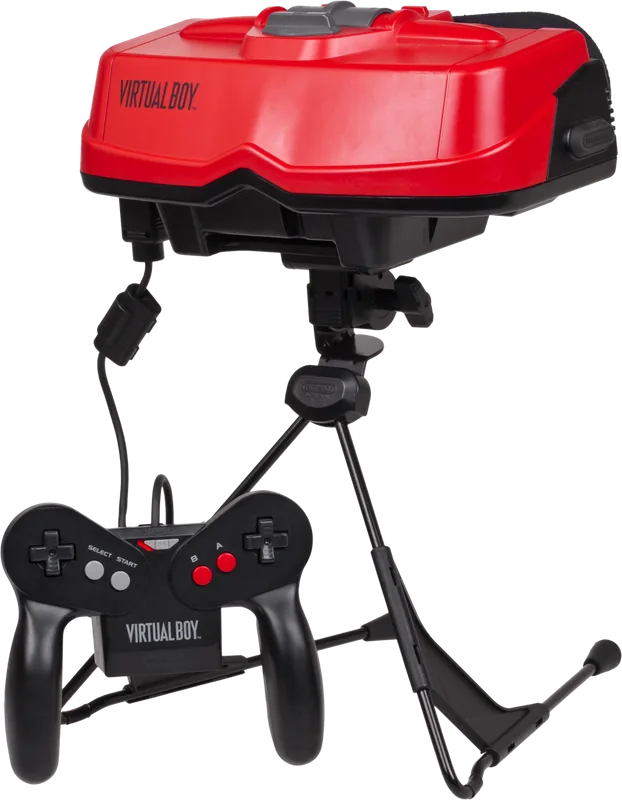
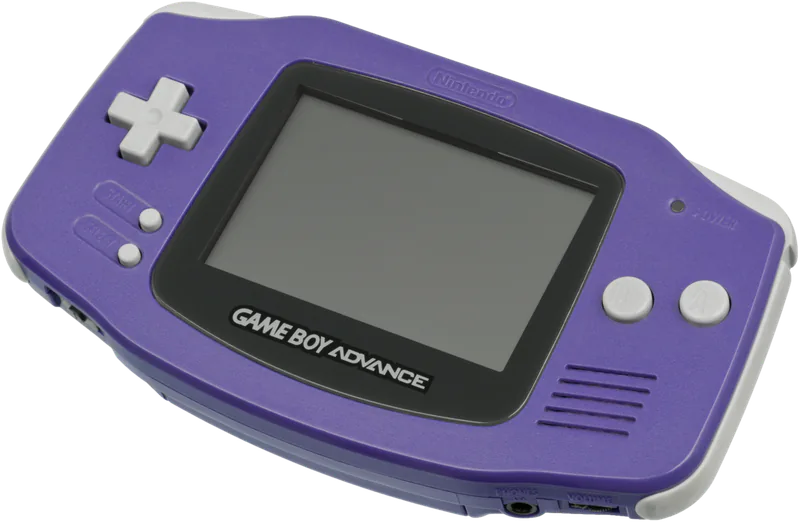
The race from launch day
Cumulative units by months since each console's own launch. Figures between reports are modelled; where reports are years apart, the line is a rough approximation, not observed annual sales.
Side by side
| Virtual Boy | Game Boy Advance | |
|---|---|---|
| Cumulative units (estimated) | ≈ 770,000 | ≈ 81,510,000 |
| After 8 months on sale | ≈ 740K | ≈ 12M |
| Released | July 21, 1995 | March 21, 2001 |
| Time on the market | 8 months | 9 years |
| Average per day | ≈ 3K | ≈ 25K |
| Status | Discontinued | Discontinued |
More comparisons
Frequently asked questions
Which sold more, the Nintendo Virtual Boy or the Game Boy Advance?
As of October 31, 2026, the Game Boy Advance leads our tracked comparison: about 81.5 million units against 770,000 for the Nintendo Virtual Boy, a gap of 80.7 million. Figures may mix reported shipments, customer sales and estimates.
How many Nintendo Virtual Boy and Game Boy Advance consoles have been sold?
Nintendo Virtual Boy: calculated from reported figures: 770,000 units as of March 31, 1996 (Famitsu issue 392, the makers' shipment figures; sell-in (units shipped)). Game Boy Advance: calculated from reported figures: 81.51 million units as of March 31, 2010 (Nintendo historical data, sales by fiscal year; measurement not specified).
Figures can measure shipments, customer sales or estimates; these are not directly interchangeable. Between reports our model projects an estimate, not observed transactions. The changing digits show the model's output, not its accuracy. Its inputs and assumptions are corrected when new figures are available. Sources and method